
Vehicle ceramic coatings represent the latest advancement in vehicle protection, earning attention across the auto industry for their superior durability and shine. But with all of the information available, it can be overwhelming to know exactly what it is and what exactly it can do for your vehicle.
That’s why we’ve compiled all the information you need to know about vehicle ceramic coatings—including what they are, how they can benefit your vehicle, when to have them applied, and more. Read on to learn more about ceramic coatings to better understand if it’s the best option for you and your vehicle.
Key Points
- What is ceramic coating?
- How does ceramic coating work?
- How do ceramic coatings compare to other paint protectants?
- What are the ceramic coating benefits?
- Do ceramic coatings need to be done by a professional?
- How much does ceramic coating cost?
- How long does a ceramic coating last?
- When should you get a ceramic coating applied?
- How late is too late for a ceramic coating?
- How do you maintain a ceramic coating?
- Is ceramic coating worth it?
- Everything You Need to Know About Vehicle Ceramic Coatings: How It Works, What It Costs, & Why It’s Worth It
What is ceramic coating?
Ceramic coatings are a revolutionary and advanced form of protection for your vehicle's exterior. They utilize nanotechnology made from silica and titanium dioxide, which work together to create a covalent bond that adheres to your vehicle’s paint. This semi-permanent coating provides a thin—but very strong—hydrophobic layer that protects your vehicle from paint-fading UV rays, weathering, corrosion, chemicals, contaminants, and more.
How does ceramic coating work?
Ceramic coating is the highest level of vehicle paint protection on the market, but what is the science behind how it works?
The chemical composition of the coatings allows them to create a resilient barrier between your car’s paint and potential paint-damaging elements such as UV rays, surface scratches, weather, and acidic environmental factors like bird droppings and tree sap. A ceramic coating can also help to prevent oxidation, which causes your paint to wear away and your vehicle’s colors to fade.
One of the most significant qualities of ceramic coatings is their exceptional strength and durability. With a hardness level of 9H, they are essentially as hard as solid quartz. This incredible hardness ensures that the coating—and the paint underneath—is more resistant to scratches and other types of damage.
Vehicle ceramic coatings are also hydrophobic—meaning they repel water, dirt, and other contaminants before they can stick to your vehicle and create a mess or cause potential damage. Being hydrophobic also means ceramic coatings will not wash away in the rain or car wash. As a result, your car not only stays protected for longer, but it also stays clean for much longer.
How do ceramic coatings compare to other paint protectants?
In the end, all paint protectants work to do two things: protect your vehicle’s paint and make it shine like new. However, when compared to other protection methods, ceramic coatings always come out on top.
Paint Protection Film vs Ceramic Coating
Paint Protection Film (PPF) and ceramic coatings are often compared because they both offer long-lasting protection, but they do so in different ways.
PPF is a thick, transparent urethane film that shields your car’s paint from rock chips, scratches, and other impact damage. However, PPF doesn’t enhance gloss or shine as much as ceramic coatings do, and over time, it can yellow, peel, or require replacement—especially if not professionally installed.
Ceramic coatings, on the other hand, are a liquid polymer that chemically bonds to your vehicle’s clear coat. Instead of forming a physical barrier, the coating creates a durable, hydrophobic surface that repels dirt, water, and contaminants while enhancing your vehicle’s shine. Ceramic coatings don’t prevent rock chips like PPF, but they do make your car much easier to clean and maintain, protecting against oxidation, UV damage, and chemical stains for years.
Ceramic Coating vs Wax
Traditional paint protectants like car wax can be useful if you’re just looking for a quick way to DIY some shine back into your vehicle’s paint job, but they can only offer a very limited level of protection. While it is able to protect against some levels of UV rays and daily grime, traditional wax is not as effective as ceramic coatings against extreme weather and certain types of damage like scratches.
Car wax is also not a long-term solution. Whereas a ceramic coating can last years, car wax can easily be removed through factors such as extreme heat, degreasers, and car washes—resulting in the constant need for reapplication.
Even ceramic waxes—which mimic a ceramic coating’s synthetic nature and chemical bond—can’t compete with the coating’s longevity and durability. While ceramic waxes provide a higher level of protection and shine than traditional car waxes, they are still a short-term solution and need to be reapplied every few weeks or months. Plus, where a ceramic coating is hydrophobic, ceramic waxes are only hydro-resistant—meaning they can still wash away over time, leaving your car without protection.
What are the ceramic coating benefits?
A vehicle ceramic coating is more than just a shiny finish. It’s a long-term investment in your car’s protection and maintenance with a number of benefits, including:
- Long-Lasting Protection: Unlike traditional waxes, which wash away in weeks, ceramic coatings bond chemically to your vehicle’s paint and can last several years. They protect against UV rays, oxidation, and chemical stains, helping maintain your car’s showroom look.
- Hydrophobic Surface: Ceramic coatings repel water, dirt, and grime, making cleaning easier and reducing the risk of water spots. In Indiana, where rain, snow, and road salt are common, this hydrophobic effect keeps your vehicle cleaner for longer.
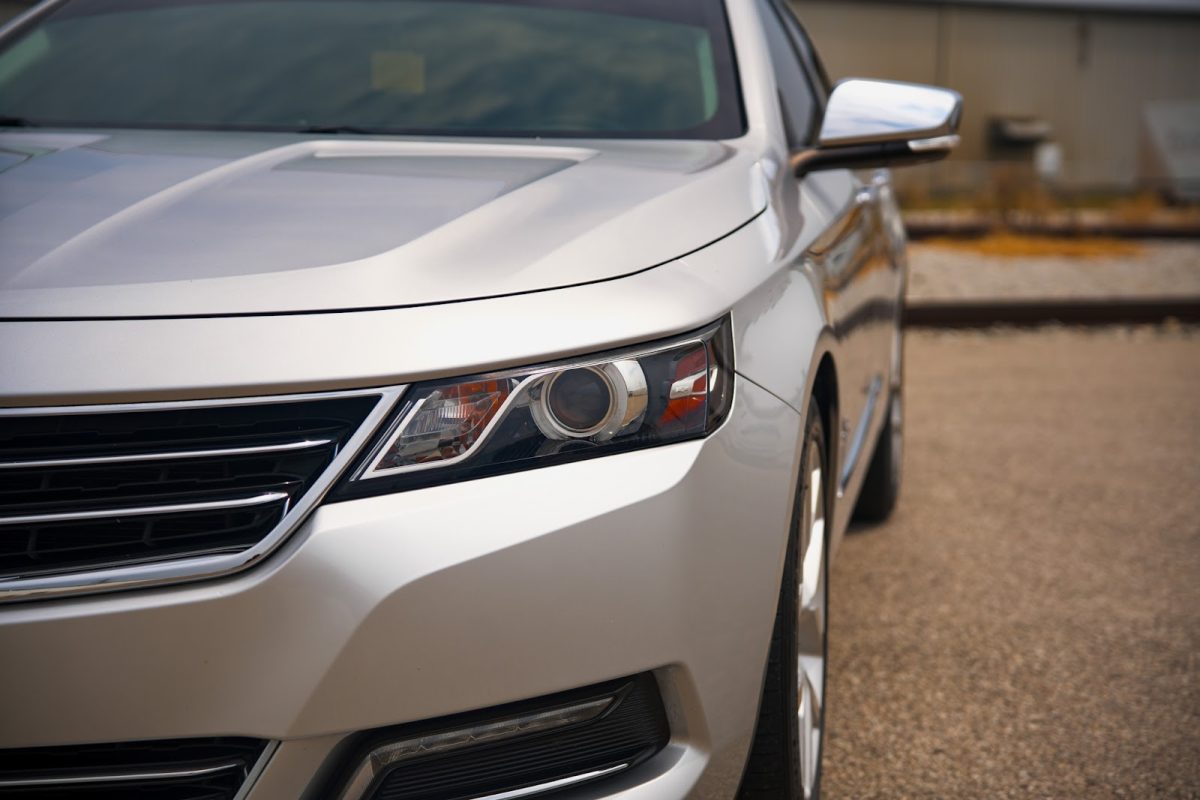
- Enhanced Gloss and Depth: The coating gives your vehicle a smooth, glass-like finish that turns heads wherever you drive.
- Scratch and Chemical Resistance: While not completely scratch-proof, ceramic coatings provide a protective layer against minor scratches, swirl marks, bird droppings, and acidic contaminants—common threats in both urban and rural Indiana environments.
- Easier Maintenance: Dirt and contaminants slide off more easily, meaning less scrubbing and a reduced risk of paint damage from aggressive cleaning.
- Adds Value: By protecting your vehicle’s exterior over time, a ceramic coating can help preserve resale value—especially important in areas like Indiana where seasonal road conditions can take a toll on paint.
Do ceramic coatings need to be done by a professional?
When it comes to DIY vs professional ceramic coating, it all comes down to quality. While there are DIY ceramic coating kits out there, they are often lower quality and difficult to apply to your vehicle effectively. Without professional experience, you risk applying the coating incorrectly—which can cause expensive mistakes and damage your paint and finish.
Having your ceramic coating applied by a professional eliminates these risks and gives you the assurance that your vehicle will be properly treated. A professional can also tell you how long curing/drying will take and let you know which precautions to keep in mind to make sure your ceramic coating cures properly.
How much does ceramic coating cost?
When budgeting for a ceramic coating, several factors affect what you’ll pay: vehicle size, paint condition (whether correction is needed), how many layers of coating, and how long the warranty or durability claim is.
For example, at Premier, we offer 1-7 year ceramic coatings. While the 1-year coating can range from $599-$799 depending on the size of the car, a 7-year coating is closer to $1899-$2099. The larger the car and the better the coverage, the more expensive the ceramic coating will be.
How long does a ceramic coating last?
Ceramic coatings are the longest-lasting vehicle paint protection method currently available. The semi-permanent coating comes in different options that can provide protection for one, three, or even seven years.
And these coatings can last even longer if given the proper maintenance. A professional hand wash—with a specialized ceramic coatings-approved cleaning agent—is recommended every week to every other week. This maintenance plan will keep your warranty intact and allow you to enjoy a smooth, glass-like finish for years to come.
When should you get a ceramic coating applied?
Timing can make a big difference in how well your ceramic coating performs and how long it lasts. Ideally, you’ll want to apply a ceramic coating when your vehicle’s paint is in its best condition—either when it’s brand new or after a professional paint correction. This ensures the coating bonds smoothly and seals in that flawless finish for years to come.
The time of year can also play a part in your ceramic coating application. The coating requires a mild temperature, usually between 50°F and 80°F, in order to properly and effectively cure. This means that in Indiana, your ideal time to get a ceramic coating applied would be either spring or fall.
How late is too late for a ceramic coating?
It’s almost never too late to protect your vehicle with a ceramic coating, but the condition of your paint will determine how much prep work is needed beforehand. If your vehicle’s paint has already suffered from oxidation, swirl marks, or minor scratches, those imperfections will need to be corrected before applying the coating. Otherwise, they’ll be sealed in under the protective layer.
For Indiana drivers, timing matters because of the state’s harsh winters and humid summers. If your car has gone through several seasons without protection, the paint may have already been exposed to road salt, UV damage, and environmental contaminants that dull its finish. In that case, a professional detailer will likely recommend a paint correction service before applying the ceramic coating to restore the surface.
How do you maintain a ceramic coating?
Once you’ve invested in a quality ceramic coating for your vehicle, proper maintenance is what allows it to deliver long-lasting gloss and protection. Here’s how you can keep it performing at its best:
- Regular Washing: Wash your car every 1–2 weeks with a pH-neutral, ceramic-safe shampoo. Hand-washing is best; avoid automated brushes that can damage the coating.
- Decontaminate Periodically: Even coated cars collect iron particles, tar, and road grime. Use iron removers or tar extractors a couple of times per year, especially in Indiana, where road salt is common in winter.
- Protect from Environmental Stress: Rinse off bird droppings, tree sap, and road salt promptly. Shade or car covers help prevent UV damage in summer.
- Check Performance: Water should bead and roll off, and the surface should feel smooth. Declining hydrophobic effects may signal it’s time for a refresh.
- Avoid Harsh Treatments: Skip abrasive polishes, strong chemicals, or rough automated washes that can wear down the coating.
- Schedule Refreshes: Every few years, consider a professional refresh to maintain maximum protection and gloss.
Is ceramic coating worth it?
Yes! Ceramic coatings offer a superior level of protection, durability, and longevity—making them the most effective option and the best value for your investment.
Ceramic coating services can vary in price based on vehicle size and level of protection, so you can always find the best option that fits your needs and budget. For more information on ceramic coating specifics for your vehicle, contact your local auto detailing professional.
If you’re looking for the best protection and shine for your vehicle, ceramic coatings are the way to go! Contact your local auto detailing shop to see what ceramic coating options are available for you.
Premier’s mission is to create happiness through professional detailing, and our purpose is to exhibit a philosophy of servanthood! If you have any questions, feel free to contact us or visit our website. Don’t forget to check us out on Facebook, Twitter, and Instagram as well!